
Winter in Southern Utah may be milder than other regions, but your HVAC system still works hard during cold snaps. Proper winter HVAC maintenance helps prevent breakdowns, controls energy costs, and keeps your home cozy and comfortable. Let’s discuss the top questions you may have while making sure your HVAC system is in tip-top shape.
1. Why Should I Tune Up My Heating System Before Winter?
A professional winter tune-up ensures your heating system runs efficiently and safely when temperatures drop. Maintenance reduces the risk of unexpected breakdowns, improves system performance, and helps extend the life of your equipment.
2. How Often Should I Get HVAC Maintenance?
Most HVAC professionals recommend maintenance twice per year. One visit before the heating season and another before the summer cooling season. This helps keep your system running at peak performance year-round and can help catch any issues that may turn into costly repairs down the road
3. How Often Should I Change My Air Filter In The Winter?
Air filters should be checked monthly during winter and replaced as soon as they appear dirty. A clean filter improves airflow, protects system components, and helps maintain healthy indoor air quality.
4. What Should a Professional HVAC Inspection Include?
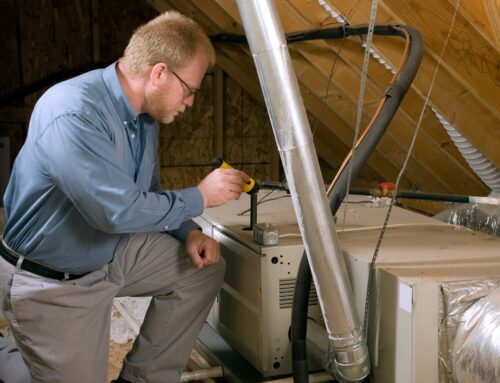
A winter HVAC maintenance visit should include:
- Inspection of the heat exchanger for cracks or damage
- Testing electrical components and connections
- Checking the blower motor and airflow
- Lubricating moving parts
- Verifying thermostat accuracy
- Testing system operation and heat output
5. Can I Perform Any HVAC Maintenance Myself?
Yes. Homeowners can take a few simple steps, including replacing air filters, checking thermostat settings and batteries, and ensuring all vents are open and unobstructed. Closing vents can actually reduce efficiency and strain your system.
6. Should I Cover My Outdoor HVAC Unit During Winter?
Completely covering an outdoor unit is not recommended. Trapped moisture can cause rust and attract pests. If protection is needed, use a breathable cover or simply place a protective top to prevent debris buildup.
7. What Should I Do If My Furnace Smells Strange?
A brief burning smell at the start of the season is often normal as dust burns off. However, ongoing burning, chemical, or musty odors should be checked by a professional immediately, as they may indicate electrical, combustion, or mold issues.
8. Is My Thermostat Working Correctly?
An inaccurate or malfunctioning thermostat can cause uneven heating, short cycling, or higher energy bills. Make sure your thermostat is set to heating mode, replace batteries if needed, and consider upgrading to a programmable or smart thermostat for improved efficiency.
9. Why Does My Home Seem Dustier in Winter?
Heating systems circulate air more frequently during winter, which can increase dust levels. Regular filter changes and optional indoor air quality upgrades like whole-home air purifiers or humidifiers can improve comfort and reduce airborne particles.
10. Does My Ductwork Need Attention in Winter?
Leaky or dirty ductwork can reduce heating efficiency and cause uneven temperatures throughout your home. While duct cleaning is not always needed annually, ducts should be inspected periodically for leaks, buildup, or airflow issues.
11. What Happens If I Skip Winter HVAC Maintenance?
Skipping maintenance can lead to higher energy bills, unexpected system failures, reduced equipment lifespan, and costly emergency repairs. Preventive care is always the best way to catch small problems before they turn into major issues.
12. How Can Alpine Temperature Control Help?
Alpine Temperature Control provides professional heating system inspections, furnace tune-ups, and preventive maintenance services for homeowners throughout St. George and the surrounding areas. Our experienced technicians help ensure your system runs safely, efficiently, and reliably all winter long.
Don’t Skip Winter HVAC Maintenance
Winter HVAC maintenance is essential for comfort, safety, and energy efficiency. Taking proactive steps now can help you avoid costly repairs and ensure dependable heating throughout the season. If you have questions or want to schedule winter maintenance, Alpine Temperature Control is here to help.